Understanding Your Shoulder Pain

Understanding Your Shoulder Pain
Why It Hurts and What To Do About It
You go to grab a glass off the top shelf of your cabinet, only to feel a sharp pain in your shoulder that makes lifting your arm almost impossible. If you’ve ever had this experience, you know just how frustrating shoulder pain can be.
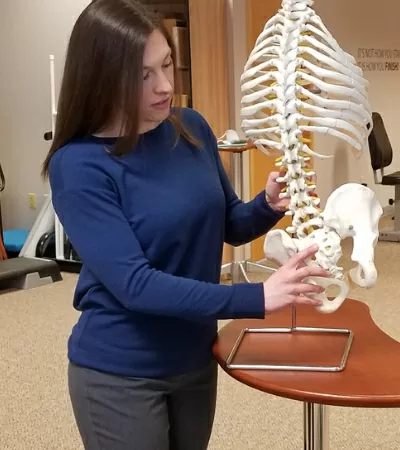
Shoulder discomfort can be surprisingly complex, mainly because the shoulder itself is one of the most complicated structures in the human body. Your shoulder involves multiple joints with layers of muscles, tendons, and ligaments working together to provide you with a full range of motion. However, if any part of that structure becomes irritated, weak, or inflamed, the effect can spread, making it difficult to pinpoint the exact cause of your pain.
Fortunately, there is good news: most shoulder pain improves with the right kind of movement, targeted treatment, and expert guidance. That’s where physical therapy at Excel Physical Therapy comes in.
Why Shoulder Pain Can Be So Challenging
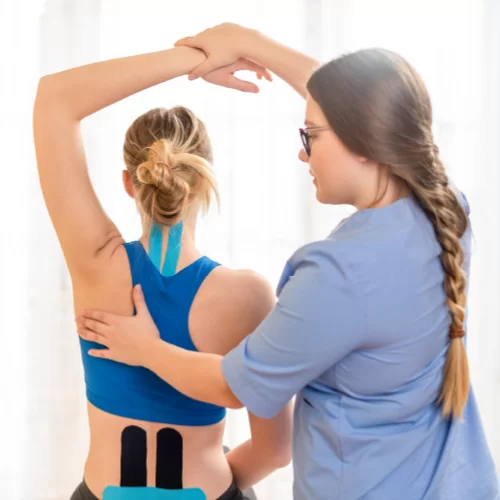
Your shoulder offers the greatest motion of any joint in the body, allowing you to reach overhead, behind your back, and across your body. This wide range is possible because the joint sacrifices stability to give you mobility, but this trade-off makes it more vulnerable to injury.
Because several structures are packed into a small space, symptoms of shoulder pain often overlap. Many people experience aching in the same area, regardless of which structure is involved. For example, your shoulder pain may come from:
- Damaged tissue in the joint, such as a tendon or cartilage
- A movement pattern that has placed repeated stress on tissues
- A combination of weakness, tightness, or inflammation in the shoulder’s structures
- Referred pain spreading from the neck or upper back
If you’re experiencing shoulder pain, your best bet is to schedule an appointment with Excel Physical Therapy. We can help you better understand your symptoms.
A Deep Dive Into Three Common Causes of Shoulder Pain
1. Osteoarthritis
Osteoarthritis occurs when the cartilage in your shoulder joint wears down and becomes inflamed. Symptoms often develop gradually and include:
- Deep, aching pain inside the joint
- Stiffness, especially first thing in the morning
- Grinding or clicking noises
- Pain that worsens with weight-bearing through the arm
2. Rotator Cuff Injury
The rotator cuff is a group of four muscles that stabilize the shoulder and help with lifting and rotation. Injuries can occur with repetitive use, sudden overload, or age-related changes. Signs of an injury in the rotator cuff include:
- Pain on the outside of the shoulder
- Weakness when lifting the arm
- Sharp pain with reaching overhead or behind the back
- Night pain when lying on the affected side
3. Postural Strain and Movement Imbalance
Sometimes, shoulder pain develops as a result of improper posture. Hours spent sitting, driving, or using mobile devices can cause the shoulders to pull forward, a position that weakens stabilizing muscles and overworks others. Common signs include:
- Aching across the upper shoulder and into the neck
- A sense of fatigue rather than sharp pain
- Symptoms that worsen late in the day
- Relief when you stretch or change position
How Physical Therapy Helps Improve Shoulder Pain
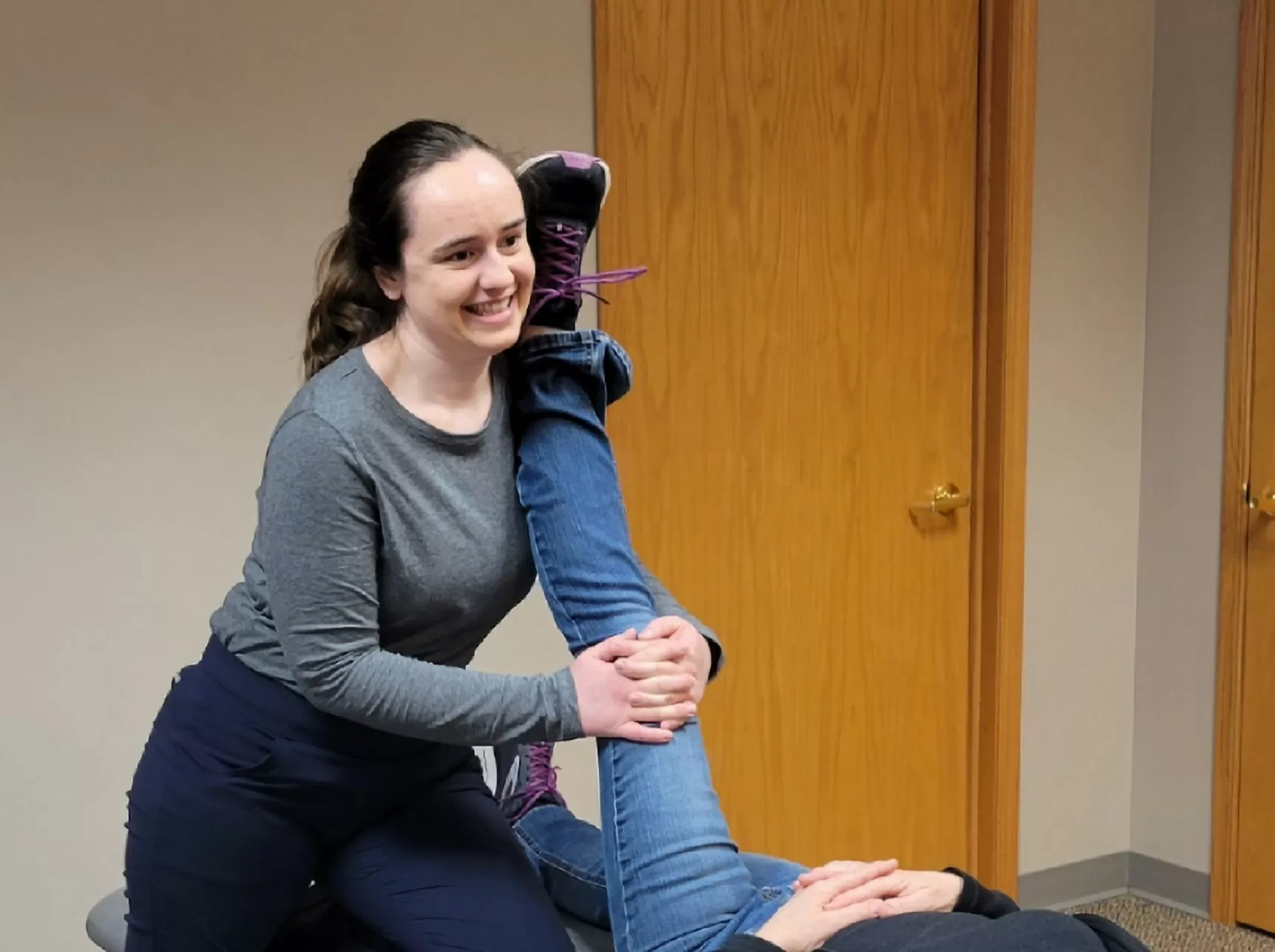
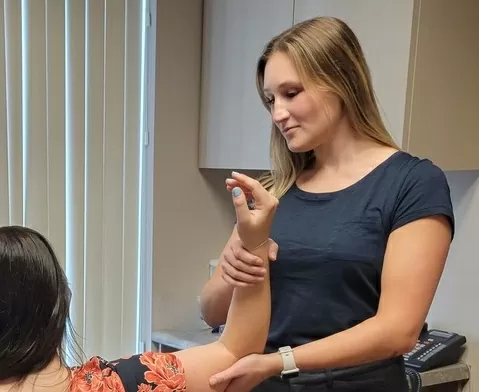
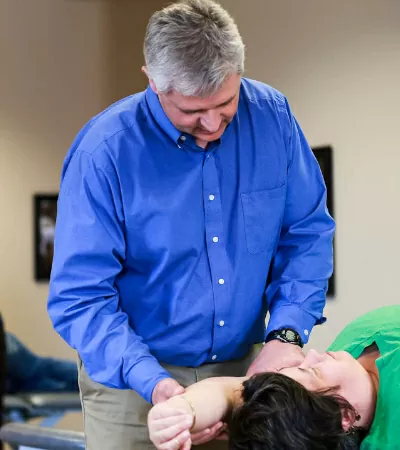
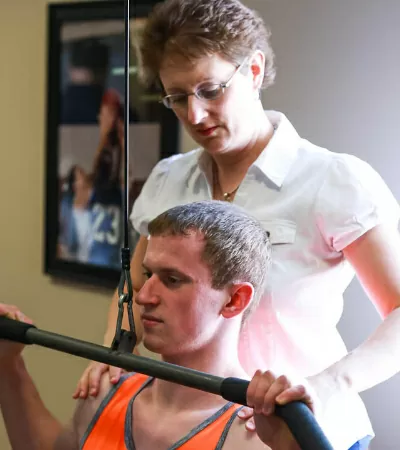
Physical therapy is an excellent option for managing shoulder pain as it aims to address the source of the problem rather than mask the symptoms. Our physical therapists will evaluate your movement, identify the irritated structures, and develop a personalized plan to help you recover efficiently. Key strategies include:
Manual Therapy
Soft-tissue work and joint mobilization techniques ease tightness and help reduce pain.
Mobility Work
Guided stretching helps reduce stiffness and alleviate pressure on sensitive tissues.
Strength Training
Targeted exercises build strength in the rotator cuff, shoulder blade, and upper-back muscles, helping to protect the joint and reduce strain during daily activities.
Movement Retraining
This technique enhances coordination, allowing the shoulder to move smoothly and evenly.
Activity Adjustments
Small changes in lifting, reaching, or sitting help prevent repeated irritation.
You Don’t Have to Live With Shoulder Pain
Most shoulder conditions respond well to a tailored physical therapy plan. So whether your pain is new or something that’s been bothering you for months, you have effective options. Just schedule an appointment with Excel Physical Therapy to learn more about how we can help you reduce pain, restore movement, and get back to the activities you love.

Find Relief Now – Schedule Your Free Consultation!
Ready for personalized care?
Come back to Excel Physical Therapy and book your session today!
Avoiding Common Winter Injuries

Have you ever developed an injury while participating in a winter activity? If so, you are certainly not alone. Icy and snowy weather can increase your risk of falling and injuring yourself while performing simple everyday activities.
What’s the good news? It’s possible to avoid winter injuries and enjoy the season without experiencing unnecessary pain and stiffness. Keep reading to discover the most common winter injuries and tips on avoiding them.
What Are The Most Common Winter Injuries?
Winter conditions can make a person more prone to injury. Simple tasks, such as walking to your car in the morning or going for a run, can become significantly more dangerous when there’s ice on the ground.
The most commonly reported wintertime injuries include:
- Slipping on ice and snow
- Muscle strain caused by shoveling snow or scraping ice off the car
- Accidents involving motor vehicles and driving
- Accidents that occur while participating in winter sports and activities (skiing, snowboarding, sledding, etc.)
These injuries can be more severe for older individuals or those struggling with their health.
How Can I Avoid Injury This Winter?
Fortunately, there are many steps you can take to stay safe this winter. Follow these tips to ensure a safe and fun holiday season:
- Wear proper footwear made for icy and snowy conditions when outside.
- Salt driveways, sidewalks, and stairs thoroughly and regularly.
- Cross parking lots with caution and provide extra assistance for children and seniors.
- Stretch before beginning any physical activity.
- Stay hydrated while working out and shoveling snow.
- When participating in winter sports, wear a helmet and other protective equipment.
- Always keep an eye on children who are playing outside in the snow.
Remember to stay safe and exercise caution this winter. And if you do become injured, contact Excel Physical Therapy for relief!
Follow Us on Facebook!
Exercise of the Month
RESISTANCE PRESSES
Sit or stand tall with your head in a neutral position. Place one hand on your forehead. Gently press your head forward into your hand while resisting the motion with your hand. Hold briefly, then relax. Repeat with your hand placed on the back, and each side of your head to target all directions.
3 Sets, 10 Reps (each direction).

Success Story
Jeff R.
“The therapist knew exactly what needed to be done to get me back to full recovery. Excellent service from front office to every therapist–like a family there!”

Merry Christmas From Excel!


January Word Scramble
ioiearbnhtn
aoceeibrtln
seaeynwr
sneuoloirt
iplcmosy
orkrfsiwe
Answer Key
hibernation
celebration
new years
resolution
olympics
fireworks

Enjoy these festive Cranberry Sparklers — a bright, bubbly drink that brings just the right mix of tart and sweet to your New Year’s celebration. They’re refreshing, fun, and the perfect way to toast to new beginnings!
Enjoy This Seasonal Recipe!
Cranberry Sparklers Mocktail
Ingredients:
- 1 cup cranberries (thawed if frozen), plus more for garnish
- 1/4 cup sugar
- 1/2 teaspoon orange bitters
- 1 750-ml bottle sparkling non-alcoholic dry wine, chilled
- Seltzer, chilled, for topping
Muddle the cranberries with the sugar in a small bowl until the cranberries are in small bits and the sugar is dissolved. Strain into a large liquid measuring cup and stir in the bitters. (This can be done a day ahead; cover and refrigerate.)
For each drink, add 1 ounce of the cranberry mixture to a glass filled with ice. Top with about 4 ounces sparkling wine and a splash of seltzer. Garnish with cranberries.