When Your Inner Ear Causes Big Problems

When Your Inner Ear Causes Big Problems
Addressing Common Vestibular Concerns with Physical Therapy
Feeling dizzy. Losing your balance. Feeling the room spin around you as you roll over in bed. If you’ve ever had these experiences, there’s a good chance that your vestibular system is involved, particularly the structures in your inner ear.
Vestibular symptoms can be incredibly challenging and have a profound impact on your quality of life. Fortunately, the team at Excel Physical Therapy understands how disruptive vestibular problems can be–and just what physical therapy can do to help.
A Closer Look at Your Vestibular System
Your vestibular system is the system in your body that controls your balance and proprioception (your awareness of yourself in space). It has two parts, one of which is located in your cerebellum and the other in your inner ear. These two structures communicate with your eyes and muscles to keep you steady and upright.
However, dysfunction in your vestibular system can disrupt the signals between your inner ear and brain, causing a range of alarming symptoms, including dizziness, vertigo, and even migraines.
Three Surprising Ways Vestibular Dysfunction Affects Your Body

Dizziness and Vertigo
These two symptoms are some of the most common signs of vestibular dysfunction. While some people use the terms interchangeably, they are two different things:
Dizziness is a broad term that refers to feelings of lightheadedness or unsteadiness. You may feel a floating sensation or a sense of being disconnected from your body.
Vertigo is a specific type of dizziness that causes a false sense of movement that may produce a spinning sensation. You might feel like you’re spinning around, even though you’re standing still, or you may feel like the room is spinning around you.
Both of these symptoms disrupt your sense of balance and control, often appearing without warning and making everyday movements feel unsafe.
Balance Challenges
There are many reasons someone might develop trouble with balance, including loss of strength and sensation due to aging. However, one factor that people often overlook is vestibular dysfunction.
When your vestibular system isn’t working properly, your muscles and eyes can’t respond quickly enough, leading to unsteadiness, missteps, and an increased risk of falls, regardless of your age.
When someone struggles with balance, it can often lead to a fear of movement and a lack of physical activity. This, in turn, reduces strength and mobility, making balance even more difficult. Addressing the root cause of your balance difficulties can help you avoid this vicious cycle.
Vestibular Migraines
Many people are surprised to learn that migraines can be linked to the vestibular system! Known as vestibular migraines, this condition doesn’t necessarily cause head pain (although it can). However, it can cause several other symptoms, including:
- Dizziness
- Sensitivity to light, sound, or motion
- Nausea
- Difficulty focusing
- Balance problems
Addressing Vestibular Challenges With Physical Therapy
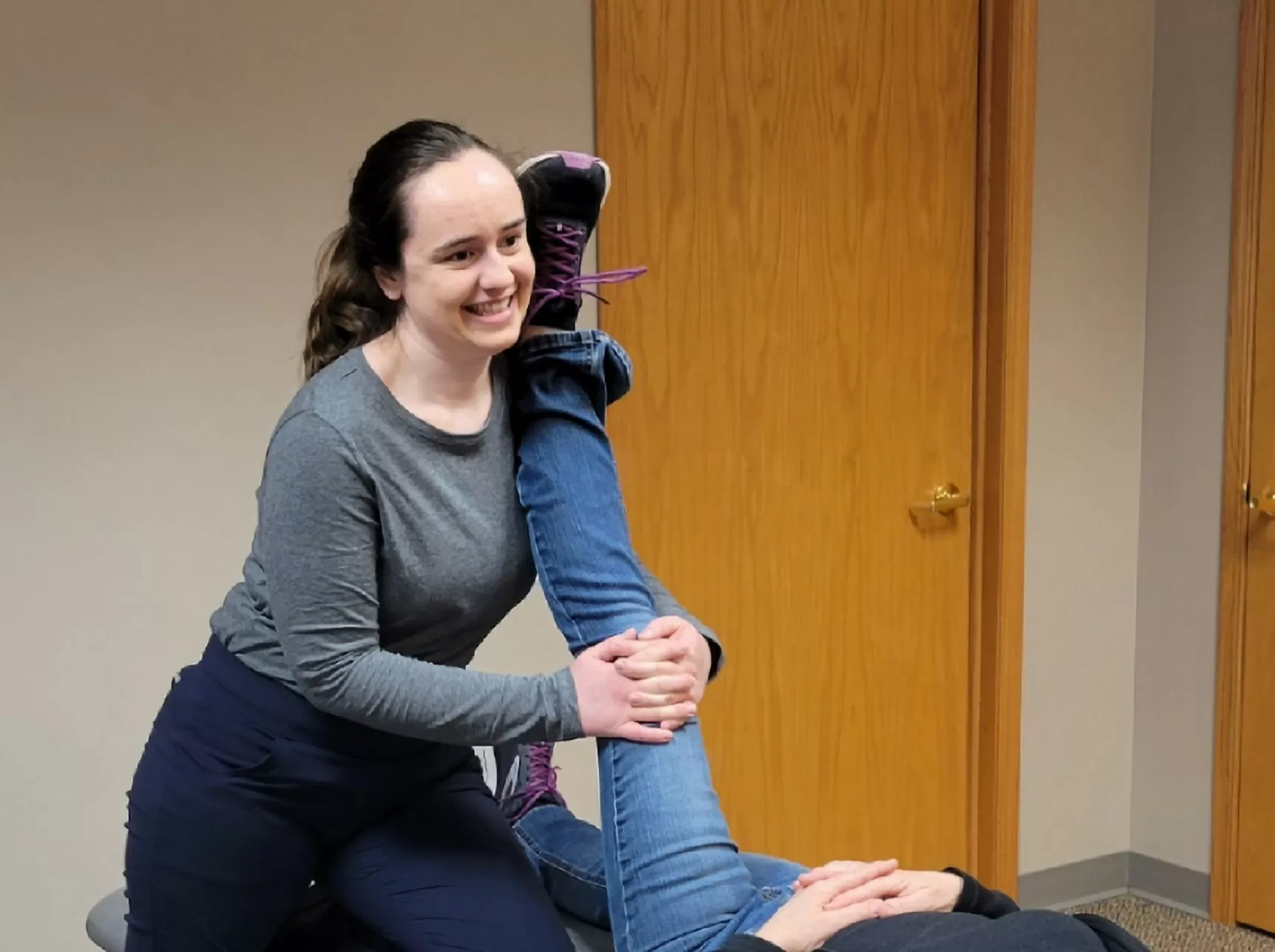
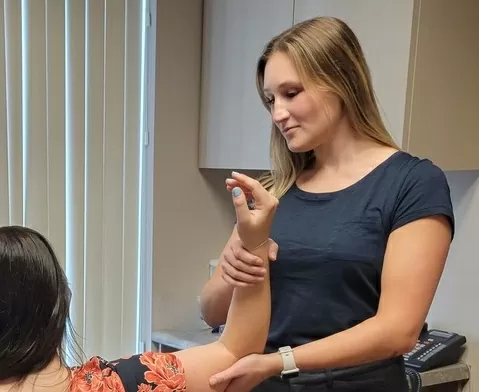
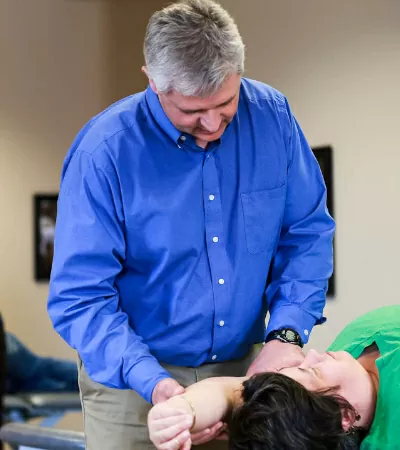
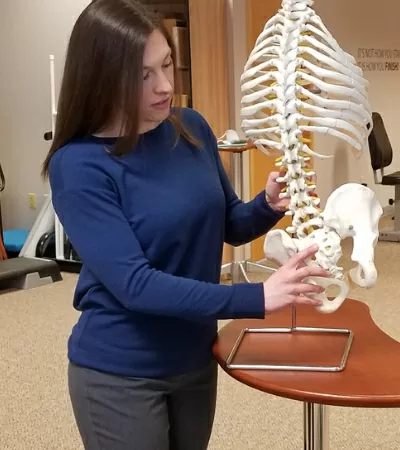
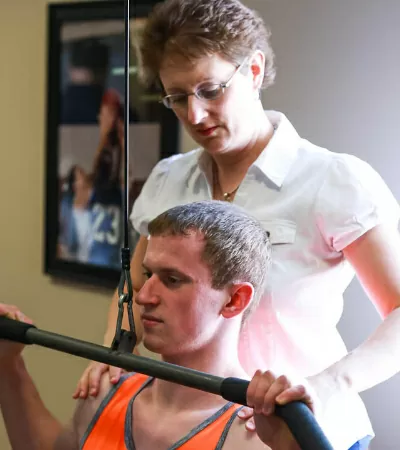
At Excel Physical Therapy, our team works closely with people struggling with dizziness, balance difficulties, migraines, and other vestibular challenges. We begin by learning about your symptoms and then create a customized treatment plan to address them directly.
We primarily do this through vestibular therapy, a specialized form of physical therapy that focuses on problems caused by the inner ear and how it communicates with the brain. It works by retraining the brain to interpret movement and position more accurately.
Common Vestibular Therapy Techniques
Gaze Stabilization Exercises
This technique improves the ability to keep vision clear while the head is moving, helping to reduce dizziness and visual blurring during activities like walking, driving, or turning your head.
Habituation Exercises
This approach involves gradual exposure to movements or positions that trigger symptoms. Over time, the brain becomes less sensitive, which can reduce dizziness and motion intolerance.
Postural Corrections
This approach addresses stiffness, weakness, or tension in the neck and upper body that can worsen dizziness or headaches, especially in people with vestibular migraines.
Balance Training
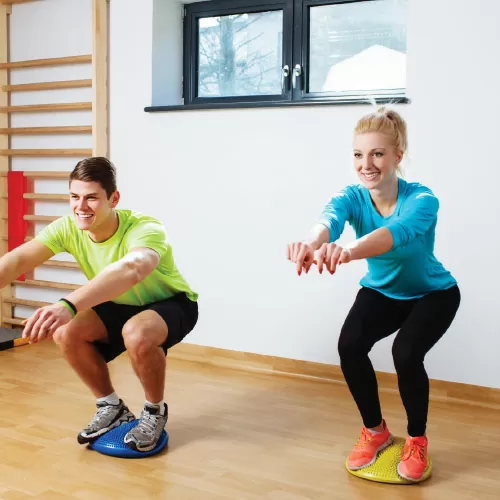
This focuses on improving coordination between the inner ear, vision, and muscles, helping you feel more stable on your feet.
Discover Compassionate Care at Excel Physical Therapy
Vestibular symptoms are often invisible, and many people feel misunderstood or dismissed. However, our team provides the skilled care, clear explanations, and steady support you need to reduce your symptoms and return to your favorite activities.
To learn more about how we can help, schedule an appointment with us today!
Find Relief Now – Schedule Your Free Consultation!
Ready for personalized care?
Come back to Excel Physical Therapy and book your session today!
Tips for A Heart-Healthy Valentine’s Day!

February is American Heart Month, so now is a great time to begin paying attention to the very organ that keeps you alive: your heart!
Your heart’s primary purpose is to keep oxygen-rich blood moving throughout your body. Because your heart is so important to your survival, it’s critical to keep it healthy by eating a well-balanced diet and exercising regularly, as well as avoiding things that can harm it, such as smoking.
Physical therapy at Excel Physical Therapy offers a variety of ways for you to improve your heart health and wellness! Call our clinic to set up an appointment today.
How Can Physical Therapy Keep Your Heart Healthy?
Getting enough exercise is the best way to keep your heart strong and healthy. Physical therapy offers a safe and effective way to incorporate more physical activity into your routine!
Some ways a therapist may ensure your heart is functioning at its highest levels are as follows:
- Cardiovascular exercise. Getting your heart rate up can be achieved through regular walks and/or biking around your neighborhood. Frequent exercise can boost your metabolism and improve your mood.
- Strength training. Strength training is one of the most effective injury prevention strategies to help stay injury-free! Your therapist can work with you on safe strength training methods.
- Joint and muscle mobility. Stretching helps keep you moving and feeling better. Knowing the proper exercises and specialized treatments can relieve your joint and muscle pain and improve your overall health.
- Asking you about your diet. You are what you eat. Make sure you’re putting the right kinds of things in your body. Avoid fad diets and stick with a plant-based, whole grain, and lean protein diet. Avoid sugar and processed foods as well as eating too much red meat, as it can cause an increased risk of heart disease.
Call Our Clinic Today
Physical therapy is an excellent way to maintain good heart health! The therapists at our clinic will work with you one-on-one at each appointment to ensure you’re increasing your heart rate and getting your blood flowing!
Follow Us on Facebook!
Exercise of the Month
ONE LEG BALANCE
With your hands on the back of a chair, countertop, or wall, slowly lift your uninjured leg upward behind you so that your weight lies on the leg with the injured ankle. Hold this position for 20 to 30 seconds and gradually progress to more seconds as you get stronger.
2 Sets, 1 Rep. (Materials needed: chair)

Success Story
Audrey R.
“My vertigo is gone, and my balance has improved so much. The therapist gave me confidence in myself, and I feel more secure with my movements.”

Staff Spotlight: Amanda Patt, PT, DPT, OCS
“My focus during patient care is to develop an active partnership with each of my patients to help them reach their optimal outcomes and self-manage their conditions. I do this through an individualized approach for each patient including the use of a variety of hands-on techniques, education, and exercises. The most rewarding part of my job is seeing my patients gain mobility & confidence in their abilities to return to their prior physical & sporting activities!”

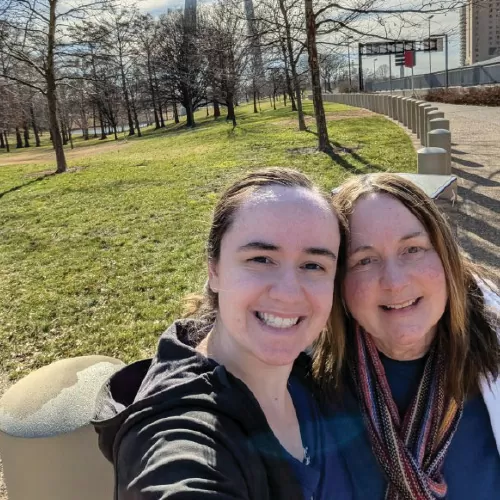
In her free time, Dr. Patt enjoys figure skating, being outdoors, and spending time with family and friends. Amanda recently traveled to St. Louis, Missouri with her mom to attend the US Figure Skating Championships! It was an exciting event and they enjoyed touring the St. Louis area attractions.


February Word Scramble
lotacehoc
eeanlnitv
bauefrry
iprdinehfs
iwentr
aceornm
Answer Key
chocolate
valentine
february
friendship
winter
romance

This Valentine’s Day Rose Latte is a cozy, romantic treat with delicate floral notes that feel like a little self-care in a cup. It’s the perfect way to slow down, savor the moment, and add a touch of love to your day. 💗☕
Enjoy This Seasonal Recipe!
Valentine’s Day Rose Latte
Ingredients:
- 2 1⁄2 cups Unsweetened Plant-Based Milk
- 1 tbsp + 1 tsp Maple Syrup
- 1 tsp Beet Powder
- 1 tsp Vanilla Extract
- 2 tsp Rose Water
Optional:
- 1⁄2 tsp Ground Cardamom
- 2 Espresso Shots
Add the unsweetened plant-based milk, maple syrup, beetroot powder, and cardamom (if using) to a small pot over low heat. Heat on low for about 5 minutes or until warmed to your liking, stirring frequently. Then take off the heat and stir in the vanilla extract & rose water. Pour the espresso shot into your mug (if using). If you have a milk frother, use it to froth the plant-based milk mixture (this is optional too). Pour the rose milk latte into your mug and top with dried rose petals and an extra dash of cardamom if you like. Enjoy!