Addressing Workplace Injuries with Physical Therapy

Addressing Workplace Injuries with Physical Therapy
You spend a significant portion of your life at work, so it shouldn’t be surprising that work-related injuries are relatively common. However, this fact often surprises people! It may be because they associate workplace injuries with severe injuries, such as breaking a bone after a fall.
In reality, many workplace injuries develop gradually and for reasons you might not expect–like prolonged sitting or repetitive movements. In many cases, you might not even realize you’ve suffered an injury. Instead, you just think you’re suffering from “typical” aches and pains.
At Excel Physical Therapy, we can help you address workplace injuries–including the ones you might not even be aware of. By assessing your symptoms and identifying the various contributing factors that might have contributed to your discomfort, we can create a personalized treatment program that helps you find lasting relief.
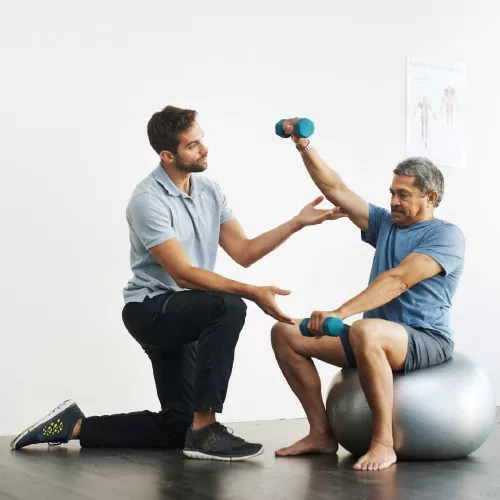
Common Workplace Injuries That Might Surprise You
Workplace injuries don’t just happen to people working physically demanding or dangerous jobs. They can occur in any workplace environment–including offices, retail counters, and beauty salons.
Here are some of the common types of workplace injuries we treat at Excel Physical Therapy–and some of the reasons why you might develop them.
Back Pain
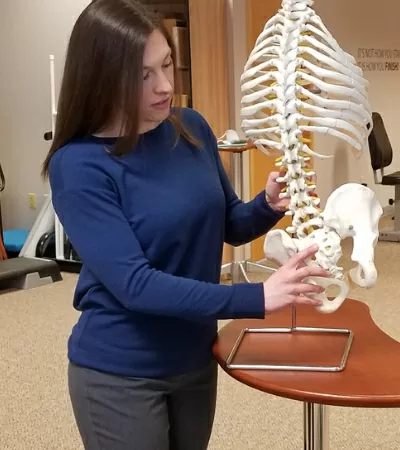
Persistent back pain is one of the more frequent work-related injuries we treat, mainly because it can develop for so many different reasons. Office workers are at risk due to prolonged sitting or poor postural habits at their desks. However, people who perform manual labor–especially if they lift heavy objects–are at risk for more severe muscle strain or herniated disks.
Neck Pain
Neck pain is another common workplace injury, especially among office workers. It’s linked to repetitive movements, awkward desk setups, or long hours spent looking at screens. Work-related neck issues can also cause headaches.
Knee Pain
While we often associate knee injuries with sports, they can occur on the job, too, especially with work that requires a lot of squatting or repetitive knee movements. Landscapers, carpenters, and construction workers all have a higher-than-normal risk.
Shoulder Pain
Shoulder pain is common among workers whose jobs require repetitive arm movements, such as assembly line workers or cashiers. Repetitive overhead movements can also cause shoulder pain, putting workers like painters, plumbers, or electricians at risk.
Hand or Wrist Pain
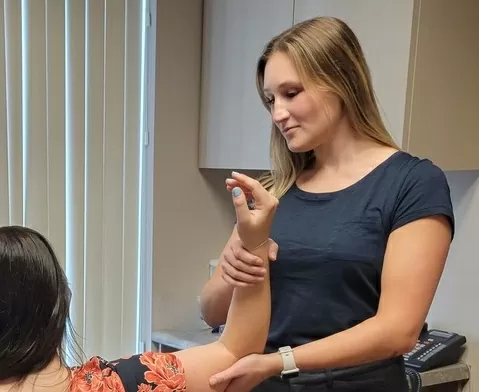
Hand and wrist pain is another common work-related complaint. It often stems from carpal tunnel syndrome, which occurs when a nerve in your wrist becomes compressed, leading to pain, numbness, or tingling in the hand. Any job that involves repetitive hand movements, including typing, operating machinery, or using hand tools, can cause issues.
Don’t Ignore Those Aches and Pain: Seek Help from Physical Therapy Instead
We know it can be tempting to ignore those twinges of discomfort. Unfortunately, doing so can lead to long-term complications and put you at risk for a more serious injury.
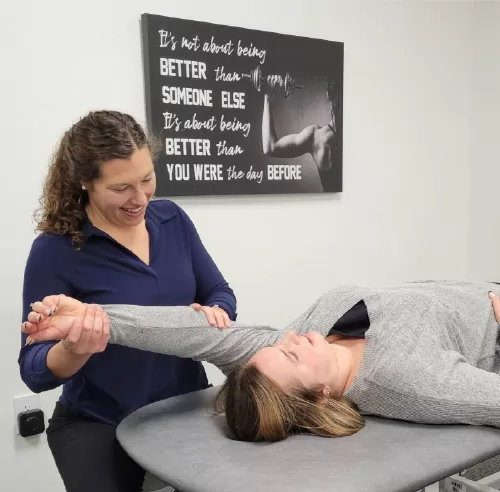
That’s where physical therapy comes in. At Excel Physical Therapy, we don’t just want to mask your symptoms. Instead, we take the time to learn more about you and your work so we can create a truly comprehensive plan that reduces pain, restores function, and addresses any issues that led to your injury in the first place.
What to Expect During Your Initial Assessment
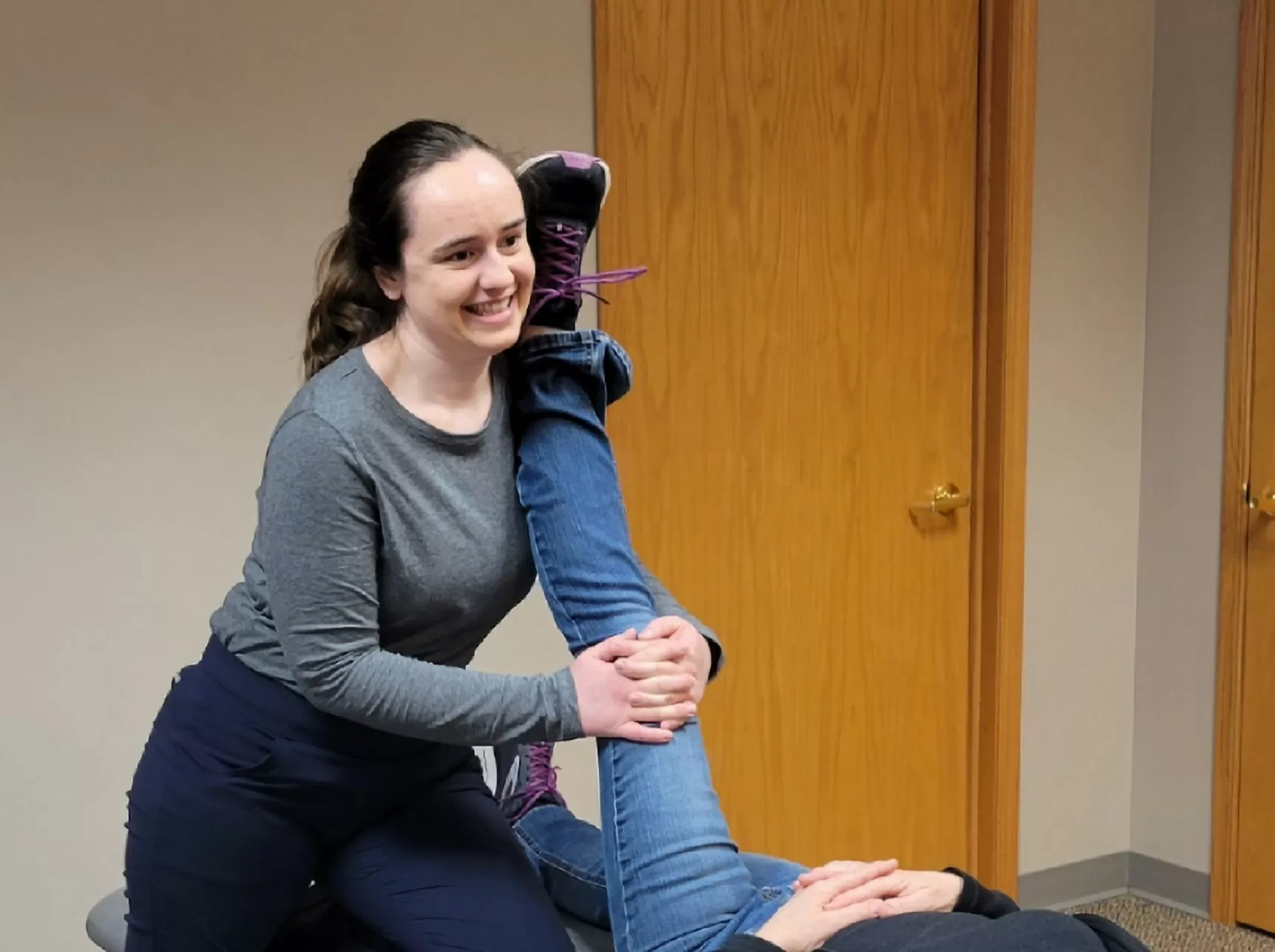
Your first appointment will consist of a comprehensive assessment during which we will evaluate your posture, movement patterns, and areas of discomfort. This thorough process helps pinpoint the cause of your pain or injury so we can develop a treatment plan tailored to your needs.
We might also ask you to:
- Describe the tasks that led to your discomfort.
- Perform simple movements to assess your strength and range of motion.
- Share details about your medical history and any prior injuries.
Effective Treatment Methods for Work-Related Injuries
Manual Therapy
- Hands-on techniques to reduce stiffness and improve mobility in affected joints and muscles
Mobility Work
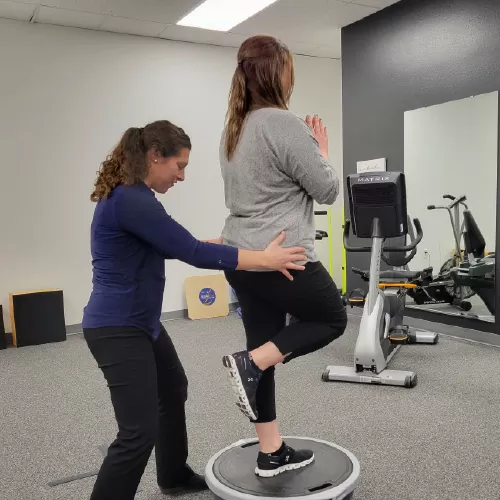
- Targeted exercises to improve range of motion so you can move more easily
Targeted Strength Training
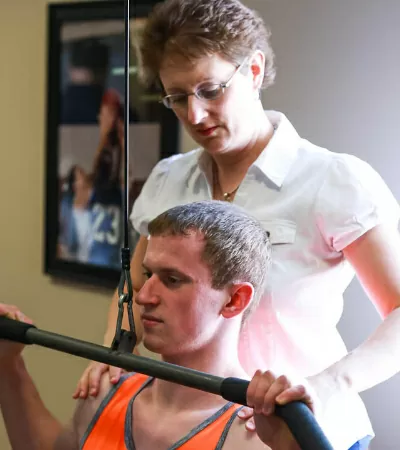
- Rebuild muscle strength, improve stability, and support proper movement patterns
Prevention Strategies
- Personalized tips for reducing the risk of future injuries, including proper workplace setups and job-specific body mechanics
Take the First Step Toward an Injury-Free Work Life
Don’t let job-related aches and pains hold you back. Schedule your initial assessment at Excel Physical Therapy today. We’re here to provide expert care and customized solutions for your needs.
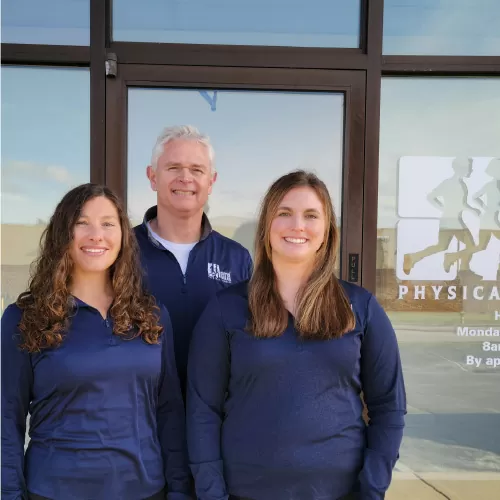
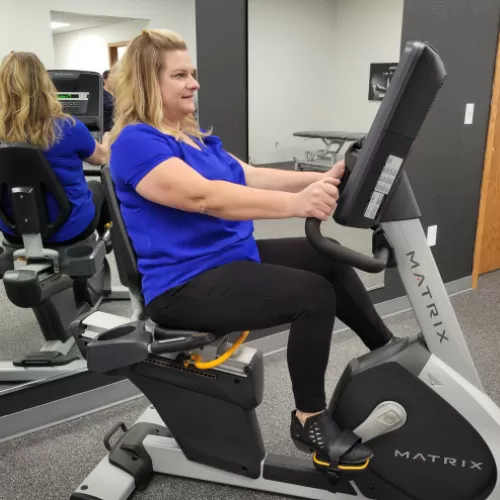
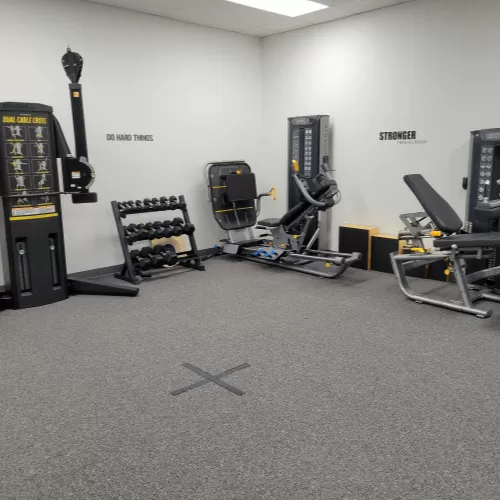
New Appleton Clinic
Have you visited our new Appleton location?
Come check it out!
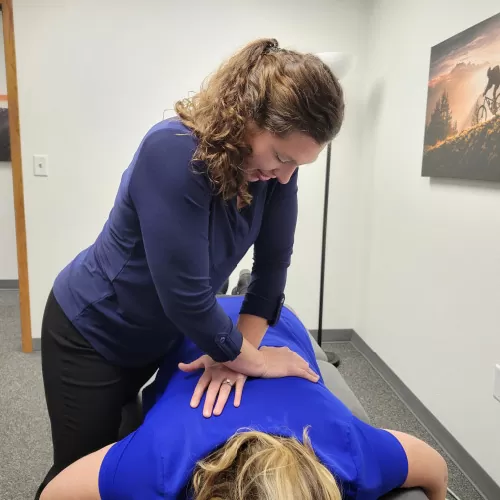
Find Relief Now – Schedule Your Free Consultation!
Ready for personalized care?
Come back to Excel Physical Therapy and book your session today!

February is Heart Health Month
When’s the last time you thought about your heart health? February is heart health month, so there’s no better time to give one of your most essential organs the attention it deserves.
1. Exercise regularly
Regular physical activity can help you gain muscle strength and endurance. Exercise helps your cardiovascular system work more efficiently by delivering oxygen and nutrients to your tissues.
If you are not currently exercising regularly, start by taking a ten-minute walk around your neighborhood each day. From there, increase the amount of time you walk each day and quicken your pace. You will eventually be able to work up to a more strenuous activity, like running or biking.
2. Eat lots of fruits and vegetables
According to a study published in the International Journal of Epidemiology, eating ten servings of fruits and vegetables a day can lower your risk of cardiovascular disease by 28% and premature death by 31%.
Ten servings may sound like a lot, but remember that there are many ways to up your fruit and veggie intake. You could add fruit to your water, add vegetables to your fruit smoothie, and snack on carrots and hummus during the day instead of chips.
3. Manage your stress
Did you know that there are over 1,400 biochemical responses to stress? Some of these include a rise in blood pressure and a faster heart rate. For these reasons, stress can have long-term adverse effects on your health.
Try to take the time out of your day to practice mindfulness and check in with your body. Deep breathing activities and meditation can do wonders for anxiety. Practicing yoga may also help you decrease your stress levels.
Follow Us on Facebook!

Success Story
“Ryan was so great! He was very patient, knowledgeable, good at assessing my issues, and persistent at problem solving. He resolved my problems and was a friendly, calm, and approachable PT!”
—Susan F.

Seasonal Recipe:
Easy Valentine’s Day Champagne Cupcakes

- Cooking spray
- 1 (18.25 oz) white cake mix
- 1 1/4 cups Champagne/sparkling white wine at room temperature
- 1/3 cup vegetable oil
- 3 eggs
- 1/2 cup butter, softened
- 4 cups confectioners’ sugar
- 1/4 cup Champagne or other sparkling white wine at room temperature
Preheat oven to 350 degrees F (175 degrees C). Spray 24 muffin cups with cooking spray. Mix cake mix and 1 1/4 cup Champagne in a large mixing bowl; stir in vegetable oil and eggs. Beat batter with an electric mixer on medium speed for 2 minutes. Pour batter into the prepared muffin cups, filling them 3/4 full. Bake cupcakes in the preheated oven until a toothpick inserted into the middle of a cupcake comes out clean, about 20 minutes. Cool cupcakes in pans for 10 minutes before removing to finish cooling, about 30 more minutes. Mix butter, 1 cup confectioners’ sugar, 1/4 cup Champagne, and vanilla extract in a bowl. Stir in remaining confectioners’ sugar, 1 cup at a time, until frosting is smooth and creamy. Spread on cooled cupcakes.