Discover the Path to Stronger, Pain-Free Feet and Ankles

Discover the Path to Stronger, Pain-Free Feet and Ankles
Our feet and ankles are the unsung heroes of our mobility, supporting us day in and day out. However, when foot and ankle problems arise, they can significantly impact our quality of life. At Excel Physical Therapy, our physical therapists play a crucial role in addressing these issues, helping individuals regain mobility and reduce discomfort.
Read on to learn more about common foot and ankle problems, preventative strategies, and how our physical therapists can make a difference in your journey towards better foot and ankle health.
Common Foot and Ankle Problems
Foot and ankle pain can affect our everyday lives and happens to many
of us. It might be because we use our feet a lot, get injured, or have some health issues. Let’s talk about what usually makes our feet and ankles hurt and how we can do something about it.
Plantar Fasciitis:
Plantar fasciitis is characterized by pain in the heel, especially in the morning or after prolonged sitting. Strengthening the calf muscles can help alleviate the strain on the plantar fascia. Wearing supportive shoes with proper arch support, maintaining a healthy weight, and avoiding excessive high-impact activities are essential preventive measures.
Achilles Tendinitis:
Achilles tendinitis occurs when the Achilles tendon, the large tendon at the back of your ankle, becomes inflamed. This can result in pain and stiffness in the back of the ankle. Incorporating calf-strengthening exercises, gradually increasing exercise intensity, and wearing appropriate footwear can help reduce the risk of Achilles tendinitis.
Ankle Sprains:
Ankle sprains are common injuries caused by overstretching or tearing the ligaments around the ankle joint. They often lead to pain, swelling, and instability. Practicing balance and proprioception exercises can enhance ankle stability.
Bunions:
Bunions are bony bumps that develop at the base of the big toe, causing pain and deformity. They are often aggravated by wearing ill-fitting shoes. Choosing shoes with a wide toe box that allows proper spacing for the toes is essential. Avoiding high heels and considering orthotic devices for added support can alleviate bunion-related discomfort.
Flat Feet (Pes Planus):
Flat feet result from a lack of arch support, leading to discomfort and instability. This condition can impact walking and overall foot function. Strengthening the muscles in your hips, feet, and arches and arches through specific exercises can provide better support. Additionally, using orthotic insoles in your shoes can help maintain arch height.
The Role of Excel Physical Therapy In Your Recovery

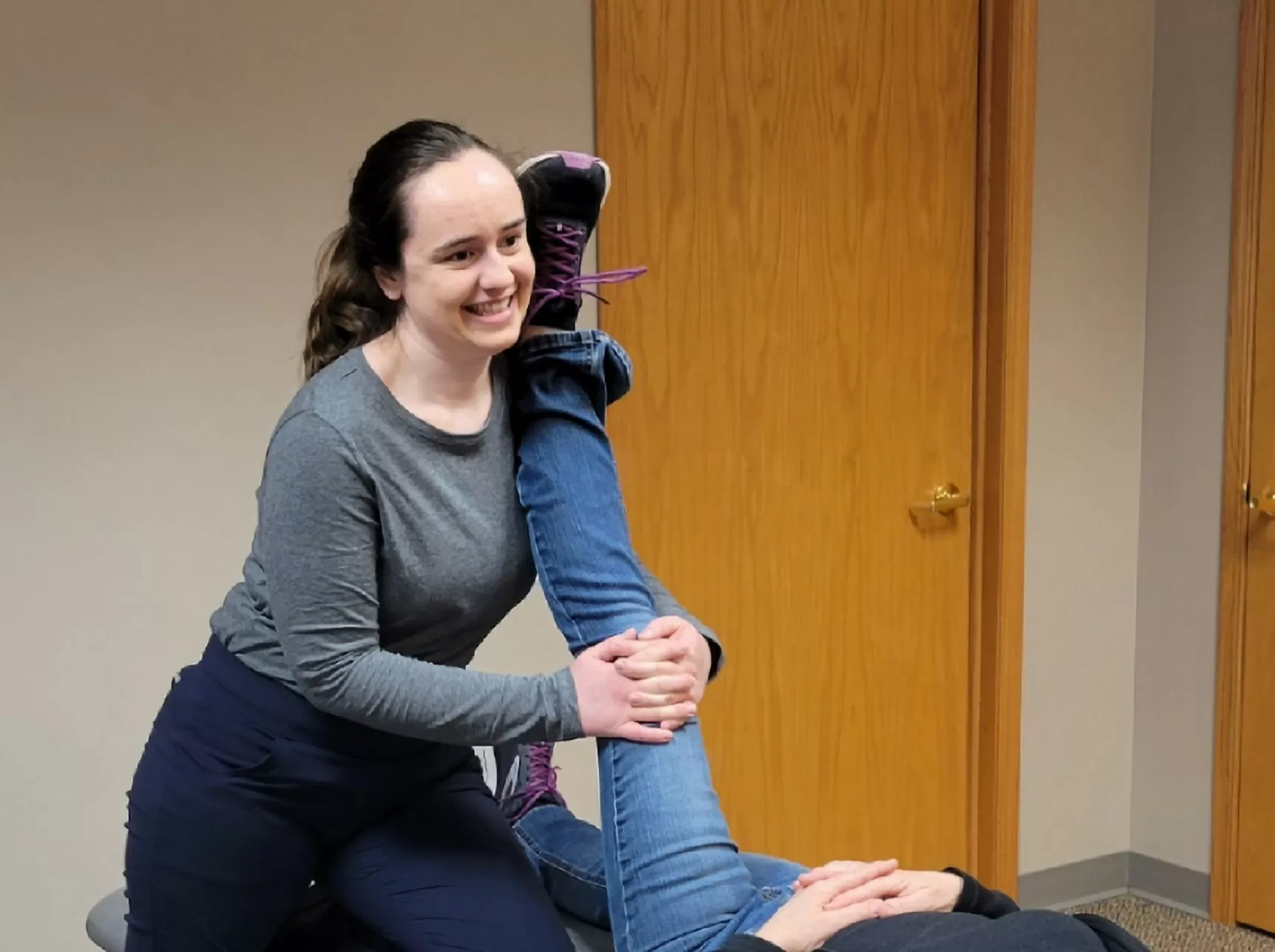
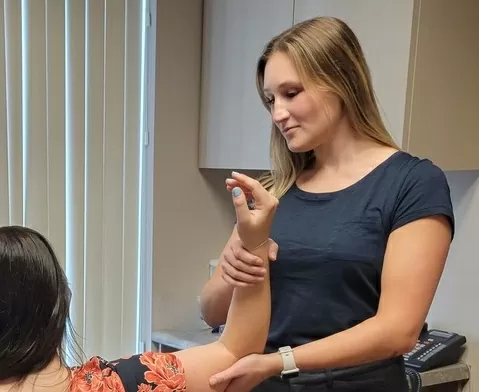
Our highly skilled physical therapists are experts in assessing and addressing foot and ankle problems. We can play a vital role in your journey towards better foot and ankle health by conducting comprehensive evaluations.
These evaluations involve:
- Strength and Range of Motion Testing: We’ll assess the strength of your foot and ankle muscles and evaluate joint mobility.
- Assessment of Gait and Movement Patterns: Our physical therapists analyze your walking and movement patterns to identify any abnormalities or areas of concern.
- Functional Testing: Your physical therapist may perform functional tests to determine how well your feet and ankles perform various activities.
Based on the evaluation findings, we’ll develop a personalized treatment plan tailored to your individual needs. This plan may include:
- Targeted Exercises: Stretching and strengthening exercises targeting the foot and ankle muscles are effective in helping to manage most foot and ankle issues.
- Manual Therapy Techniques: Manual therapy techniques, including joint mobilizations and soft tissue work, can reduce pain and improve ankle and foot mobility.
- Gait Activities: Gait activities are instrumental in addressing any abnormal walking patterns and gait disturbances in individuals with foot and ankle problems.
- Neuromuscular Reeducation: We often use neuromuscular reeducation techniques to improve proprioception and balance in individuals with ankle instability.
- Functional Training: Functional training is used to mimic real-life movements and is essential in restoring functional abilities and preventing recurrent injuries.
Our team is highly skilled at identifying and educating our patients about proper footwear, self-care techniques, and injury prevention strategies, an essential aspect of physical therapy. Education enhances patient compliance and promotes better long-term outcomes.
Empower Your Feet and Ankles Today
Don’t let discomfort or limitations hold you back. Call Excel Physical Therapy and let one of our skilled therapists guide you to healthier, pain-free feet and ankles. Your well-being is worth every step of the way!

Find Relief Now – Schedule Your Free Consultation!
Ready for personalized care?
Come back to Excel Physical Therapy and book your session today!
Exercise & Mental Health

Everyone knows that regular exercise is good for the body. But exercise is also one of the most effective ways to improve your mental health. Regular exercise can have a profoundly positive impact on depression, anxiety, ADHD, and more. It also relieves stress, improves memory, helps you sleep better, and boosts overall mood. And you don’t have to be a fitness fanatic to reap the benefits. Research indicates that modest amounts of exercise can make a difference. No matter your age or fitness level, you can learn to use exercise as a powerful tool to feel better.
Exercise and depression.
Maintaining an exercise schedule can prevent you from relapsing. It promotes all kinds of changes in the brain, including neural growth, reduced inflammation, and new activity patterns that promote feelings of calm and well-being. It also releases endorphins, powerful chemicals in your brain that energize your spirits and make you feel good. Exercise can also serve as a distraction, allowing you to find some quiet time to break out of the cycle of negative thoughts that feed depression.
Exercise and anxiety.
Anything that gets you moving can help, but you’ll get a bigger benefit if you pay attention instead of zoning out. By adding this mindfulness element—really focusing on your body and how it feels as you exercise—you’ll not only improve your physical condition faster, but you may also be able to interrupt the flow of constant worries running through your head.
Exercise and ADHD
Exercising regularly is one of the easiest and most effective ways to reduce the symptoms of ADHD and improve concentration, motivation, memory, and mood. Physical activity immediately boosts the brain’s dopamine, norepinephrine, and serotonin levels—all of which affect focus and attention.
Exercise and PTSD and trauma.
Evidence suggests that by really focusing on your body and how it feels as you exercise, you can actually help your nervous system become “unstuck” and begin to move out of the immobilization stress response that characterizes PTSD or trauma. Instead of thinking about other things, pay close attention to the physical sensations in your joints and muscles, even your insides as your body moves. Exercises that involve cross movement and that engage both arms and legs—such as walking (especially in sand), running, swimming, weight training, or dancing—are some of your best choices.
Outdoor activities like hiking, sailing, mountain biking, rock climbing, whitewater rafting, and skiing (downhill and cross-country) have also been shown to reduce the symptoms of PTSD.
When you’re under the cloud of an emotional disorder and haven’t exercised for a long time, setting yourself extravagant goals like completing a marathon or working out for an hour every morning will only leave you more despondent if you fall short. Better to set yourself achievable goals and build up from there.
Follow Us on Facebook!
Exercise of the Month
ANKLE ALPHABETS
Start by sitting up straight in a chair. Raise one leg out in front of you. Slowly write the letters of the alphabet with your foot, only moving at your ankle joint.
3 Sets, 10 Reps. (Materials needed: chair)

Success Story
Matt B.
“I came to Stephanie with an abundance of issues, which included being unable to walk with what could have been permanent damage. Thanks to her knowledge and expertise, I saw quick and dramatic improvement that has allowed me to live the active life style I have always enjoyed. I could not recommend her more to anyone with physical ailments in the Fox Valley area.”
Staff Spotlight
Congrats to Dr. Hannah Werner!
We are excited to share that Dr. Hannah Werner is engaged to Max. The proposal took place during a beautiful trip to Colorado, surrounded by stunning mountain views. We are so happy for them as they begin this next chapter together.
Dr. Werner earned her bachelor’s degree in Exercise Sports Science and her Doctorate of Physical Therapy from the University of Wisconsin–La Crosse, graduating with highest honors.
Outside the clinic, Hannah enjoys time at the lake in the summer and downhill skiing in the winter. Please join us in congratulating Hannah and Max on their engagement and wishing them all the best.




Enjoy This Seasonal Recipe!
Baked Sweet Potato Chips
Ingredients:
- 1 1/2 pounds sweet potatoes
- 1/3 cup olive oil
- Salt
Crispy, colorful, and perfectly seasoned, these Baked Sweet Potato Chips are a delicious way to snack smarter. They’re a wholesome, feel-good treat you can enjoy any time the craving hits. 🥔✨
Directions:
Preheat the oven to 300 degrees Fahrenheit. Line several baking sheets with parchment paper and set aside. Use a mandolin slicer to cut the sweet potatoes into paper-thin rounds. Pile all the sweet potato rounds into a large bowl and pour the olive oil over the top. Gently toss to coat every piece with oil. Then lay the sweet potato rounds out on the baking sheets in a single layer. Sprinkle the chips lightly with salt. Bake for 20-25 minutes until crisp and golden around the edges. Remove from the oven and cool for 5 minutes on the baking sheets. Then move the chips to a bowl or plastic bag to store.