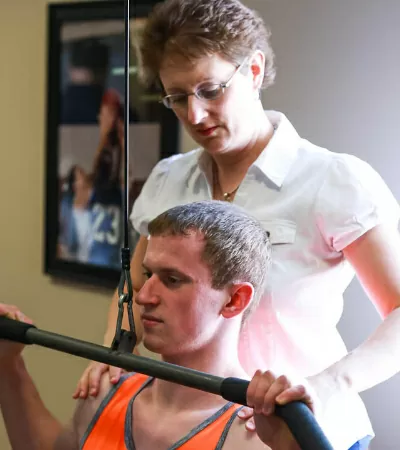
Physical Therapy Can Help Frozen Shoulders

Unfreeze Your Shoulder, Reclaim Your Active Life
Have you ever felt like your shoulder is “stuck”? Does reaching overhead or behind your back cause pain and stiffness? Frozen shoulder, also known as adhesive capsulitis, can limit daily activities and reduce quality of life. Fortunately, physical therapy at Excel Physical Therapy offers a proven path to restoring shoulder mobility and function.
The Phases of Frozen Shoulder
Frozen shoulder is a condition characterized by pain and stiffness in the shoulder joint. It typically progresses through three distinct phases, each with their own set of symptoms and concerns:
Freezing Phase
This initial stage is marked by increasing pain and stiffness in the shoulder. Treatment at this stage focuses on maintaining your shoulder’s range of motion to help reduce stiffness and improve comfort.
Duration
Anywhere from six weeks to nine months
Symptoms
- A gradual onset of pain that worsens with movement
- Increased stiffness in the shoulder
- Pain is often worse at night, disrupting sleep
Frozen Phase
The frozen stage involves less pain but greater stiffness, significantly restricting shoulder movement. Treatment might include stretching or manual therapy to improve joint mobility.
Duration
Anywhere from four to six months
Symptoms
- Decreased pain compared to the freezing stage
- Significant stiffness and difficulty moving the shoulder
- Everyday movements like reaching overhead or behind the back become challenging
Thawing Phase
In the final stage, pain decreases, and your shoulder’s range of motion gradually returns. However, physical therapy remains critical to ensure you make an efficient recovery.
Duration
Anywhere from six months to two years
Symptoms
- Gradual improvement in mobility as scar tissue begins to loosen and break down
- Pain continues to decrease

The Risk Factors Of Frozen Shoulder
The exact causes of frozen shoulder remain unclear, but certain factors increase your risk.
Age
It’s most common in people between 40 and 60 years old.
Gender
Women are more likely to develop frozen shoulder than men.
Diabetes
People with diabetes have a higher risk.
Previous Shoulder Injury or Surgery
Immobilization after an injury or surgery can increase the risk.
Other Health Conditions
Thyroid problems, Parkinson’s disease, and cardiovascular disease are also associated with increased risk.
How Physical Therapy Can Help
Our physical therapists are movement experts who can play a critical role in managing frozen shoulder and guiding you towards recovery.
Manual Therapy
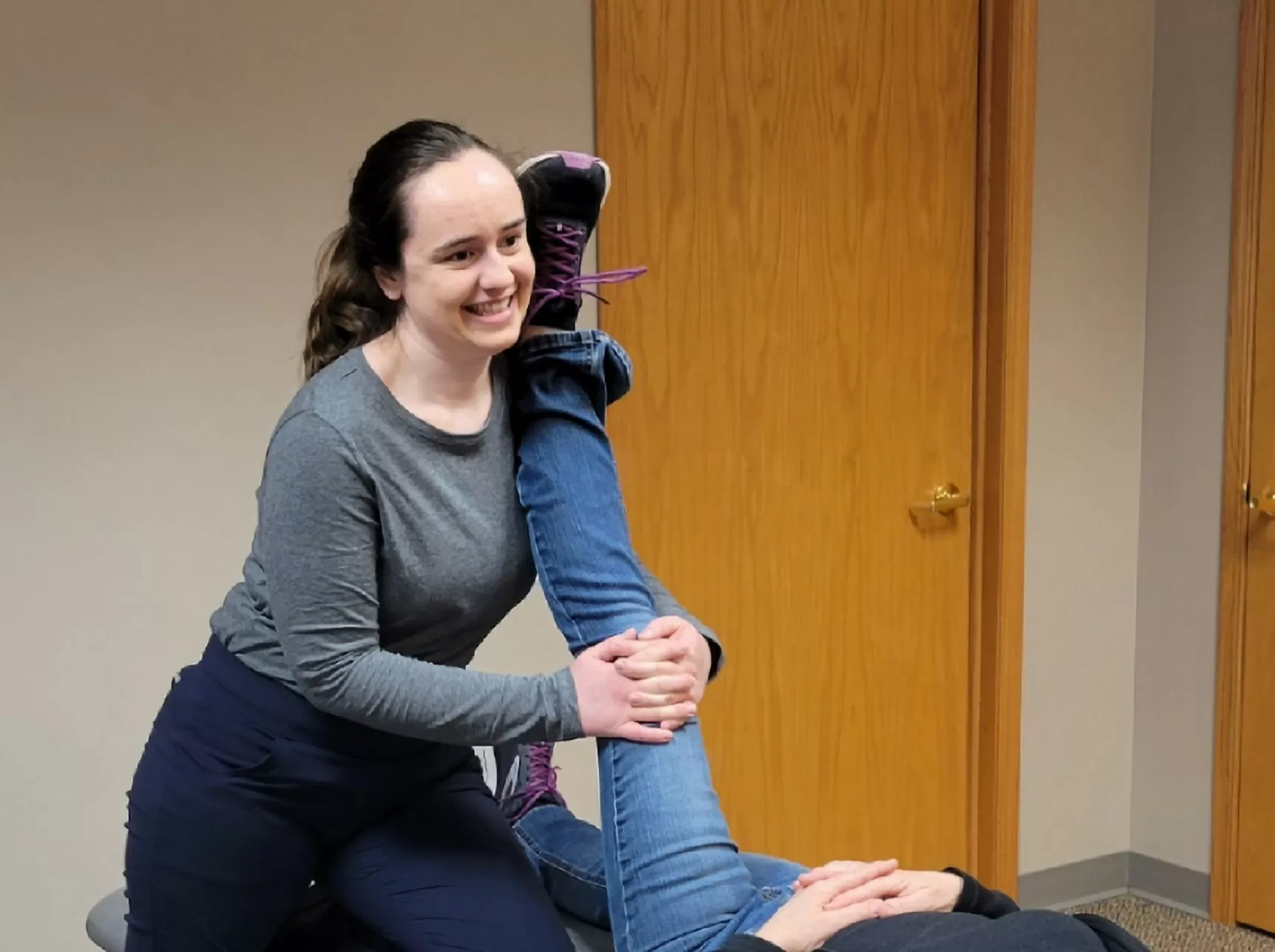
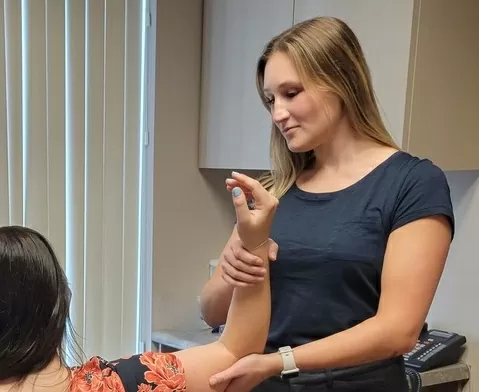
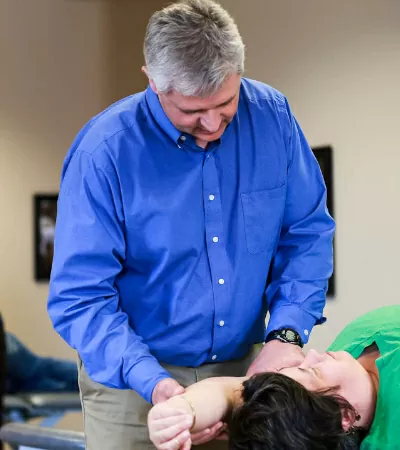
Skilled hands-on techniques can gently mobilize the shoulder joint, improve joint capsule movement, and reduce pain.
Mobility Exercises
Targeted exercises and techniques help improve your shoulder’s range of motion in all directions, gradually restoring your ability to reach, lift, and rotate your arm.
Strengthening Exercises
Strengthening the muscles surrounding the shoulder joint enhances stability and supports improved function.
Return to Activity
We’ll guide you through a safe and progressive return to your desired activities, whether it’s playing sports, tending to your garden, or simply reaching for that top shelf.
Physical therapy is effective in treating frozen shoulder and preventing its recurrence by addressing underlying muscle imbalances, improving posture, and educating you on proper body mechanics.
Treatment For Your Frozen Shoulder At Excel Physical Therapy
Frozen shoulder can significantly limit the ability to perform simple tasks and participate in activities you enjoy. Early intervention is key to a successful, long-term recovery. The sooner you seek treatment, the faster you can break free from the icy grip of frozen shoulder. Take the first step today and schedule an appointment with our experienced physical therapy team. We’ll work closely with you to provide personalized care and support every step of the way.
Don’t let frozen shoulder hold you back. Reclaim your freedom of movement and rediscover the joy of an active life. Call us now and let’s get started on your recovery!

Around the Clinic: Staff Holiday Party


Find Relief Now – Schedule Your Free Consultation!
Ready for personalized care?
Come back to Excel Physical Therapy and book your session today!

Remaining Active
in the Winter
Do you find it challenging to keep active when it’s cold outside? At Excel Physical Therapy, our physical therapists will help you find ways to stay active no matter the weather conditions!
One of the most critical steps to take is to wear suitable outdoor clothing, including:
- Choose tightly woven, preferably wind-resistant jackets
- Learn to “layer up” in light, warm clothing
- Cover your head, hands, and feet with hats, gloves/mittens, and insulated/waterproof boots.
The most common injuries related to cold weather happen from falls on icy sidewalks, steps, driveways, and porches. Do your best to keep your steps and walkways free of ice with sand, salt, or cat litter. If you plan to run or walk on snowy, icy surfaces, attaching snow or ice spikes to your boots or running shoes will help you maintain traction to reduce the risk of falls.
At Excel Physical Therapy, we will guide you through proven strategies to minimize your risks of injury while helping you stay active this winter!
Follow Us on Facebook!

Success Story
“I actually started with another PT place and couldn’t see why I was doing things and no real results. Once I started with you folks, it made sense and I could feel results. Besides helping me get through the therapy, I was given exercises that I can still do if I get a flare-up. Staff was super and the “energy” in the room was positive.”
—Michael J.

Seasonal Recipe:
Healthy Chewy Ginger Molasses Cookies

- 1 flax egg (1 TBSP flaxseed meal + 3 TBSP water; let sit for 5 minutes to thicken)
- 1/2 cup almond butter
- 1/3 cup coconut sugar
- 2 tablespoons molasses
- 1 teaspoon Simply Organic Vanilla Extract
- 1 teaspoon Simply Organic Ginger
- 1/4 teaspoon Simply Organic Allspice
- 1/4 teaspoon sea salt
- 1/4 teaspoon baking soda
- 3 tablespoons coconut flour
- Raw turbinado sugar for sprinkling optional
Preheat the oven to 350ºF. Line a baking sheet with parchment paper and set aside. In a mixing bowl, combine the flax egg, almond butter, coconut sugar, molasses and vanilla. Beat with an electric mixer until smooth. Add the spices, salt, baking soda and coconut flour and beat again until a sticky dough forms. Using a small cookie scoop, drop the dough onto the baking sheet, spacing the cookies at least 2” apart. Repeat until all the dough has been used. Gently flatten the cookies with your hands and sprinkle with sugar. Bake on the center rack for 11 minutes. Remove from the oven and allow the cookies to cool for 10 minutes on the pan before transferring them to a wire rack to finish cooling. Once cool, pack up and/or enjoy!