Stronger Before, Stronger After: Combining Pre-Op & Post-Op

Stronger Before, Stronger After: Combining Pre-Op & Post-Op
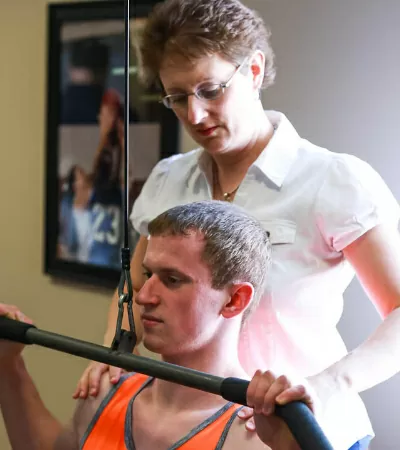
If you’re scheduled for an orthopedic surgery (such as a total joint replacement or an ACL repair), you probably already know you’ll need to undergo rehabilitation afterward with a physical therapist. But have you considered working with a PT before your surgery, too?
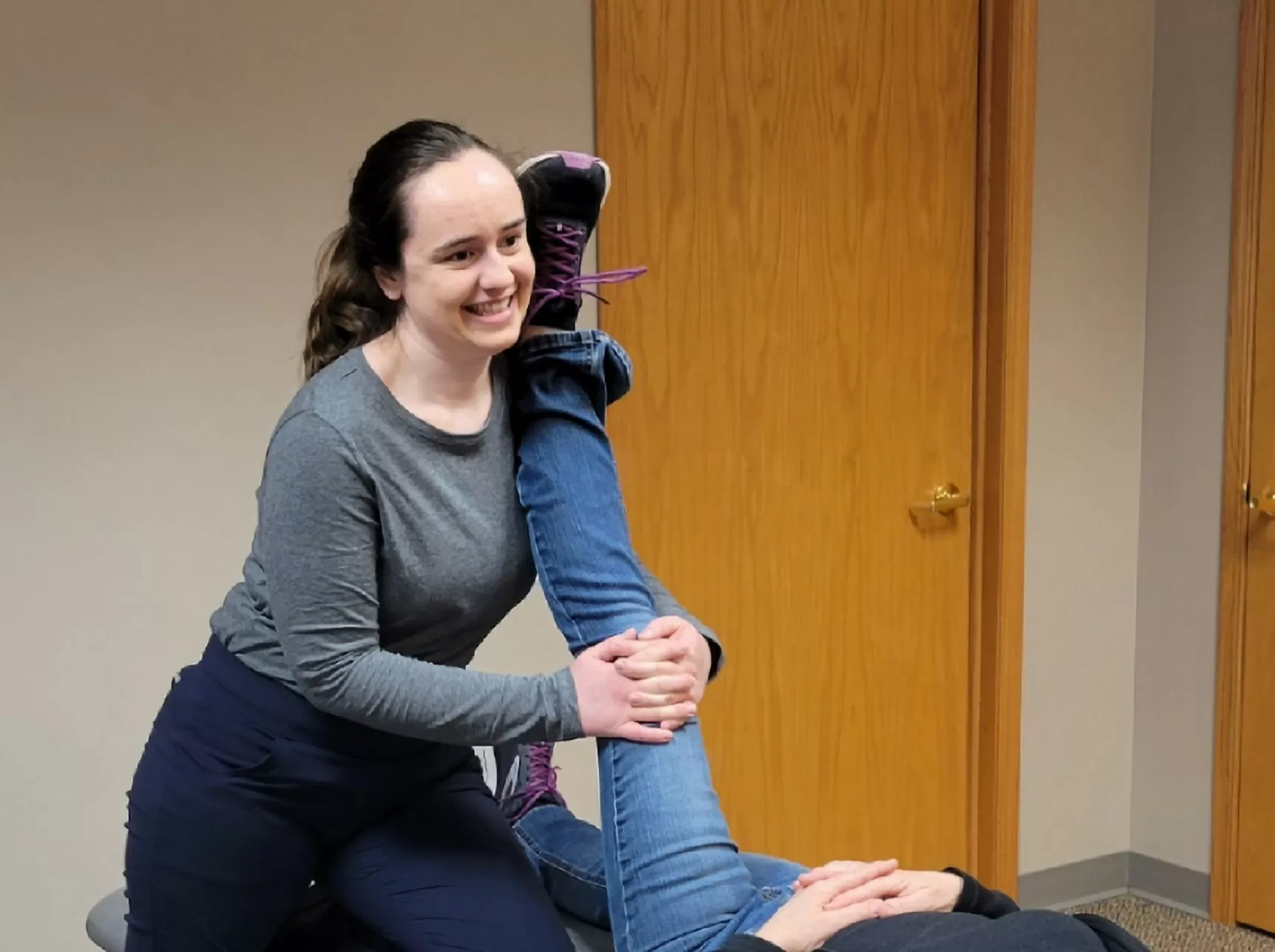
Pre-rehabilitation, sometimes called “prehab,” is a little less common than rehab, but it’s still an important part of the surgical process. At Excel Physical Therapy, we recommend a comprehensive pre- and post-surgical physical therapy program to help you maximize the benefits of your surgery. This combined approach improves pain management, speeds up recovery timelines, and addresses the root causes of physical dysfunction before and after your procedure.
Both prehab and rehab offer important benefits, and today, we want to explore them in detail–including why combining them offers the best results. And if you’d like more personalized guidance, just contact our clinic to speak to our friendly staff!
What You Need to Know About Pre-Op Physical Therapy
Surgery can be incredibly tough on the human body. It’s a highly invasive procedure that brings with it a host of complications, such as blood clots, post-surgical pain, and more.
Standard rehabilitation works to minimize these risks after the fact. However, prehab takes a proactive approach, allowing you to improve strength, fitness, and pain levels before you have your procedure. Targeted prehab reduces pressure on injured joints or tissues and improves movement efficiency, which can lead to lower pain levels both before and after surgery.
Think of it this way: No athlete goes into a big game unprepared. They spend time training to ensure their strength, endurance, and performance are the best they can possibly be. Prehab is the same way–you’re preparing your body for the “big game” of surgery.

What Can I Expect During Prehab?
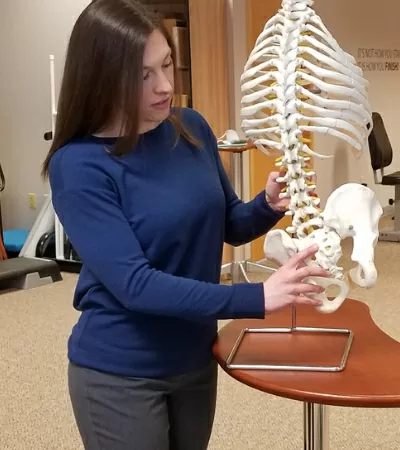
- An initial evaluation in which one of our physical therapists assesses your strength, range of motion, balance, and pain level
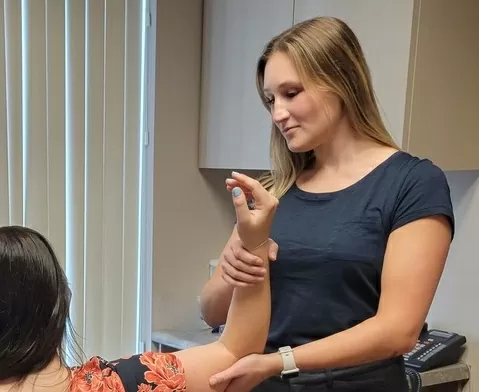
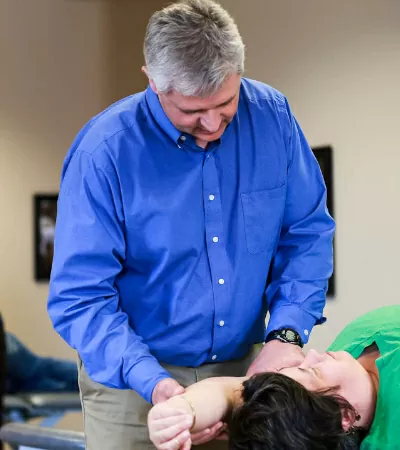
- Various pain management techniques, including manual therapy, ice/heat, or electrical stimulation, to help reduce discomfort
- A therapeutic exercise program consisting of specific exercises to target weak or stiff areas, improve circulation, and support surrounding joints
- A detailed overview of what you can expect after your surgery, including training on mobility aids and rehab exercises
This preparation phase helps you enter surgery with stronger support structures, improved mobility, and a more manageable level of pain, making the surgical recovery process smoother.
What You Need to Know About Post-Op Rehabilitation
Most orthopedic surgeries aim to correct whatever dysfunction is causing pain (for example, replacing an arthritic joint with a prosthesis). The results can be life-changing, but they don’t occur overnight. It takes time to restore your body to its optimal strength, mobility, and function.
That’s what post-surgical rehabilitation focuses on. Rehab builds on your prehab progress to manage post-operative pain, restore function, and re-establish safe, efficient movement.
What Can I Expect During Rehab?
- Techniques to help manage acute pain and swelling, such as ice, compression, manual therapy, and stretches
- Guided mobility work to help restore movement in the affected joint or area without stressing healing tissues
- Scar tissue management using hands-on therapy or tools to reduce the risk of long-term pain or stiffness
- Targeted, progressive strengthening exercises to rebuild muscle at an appropriate pace
- Balance or gait training to help restore stability in surgeries that affect your movement patterns
- Functional training that helps you relearn everyday movements like standing, walking, or climbing stairs
Each of these interventions is chosen to address specific challenges related to your surgery and condition.
Combining Pre- and Post-Op Physical Therapy for The Biggest Benefits
While prehab and rehab both offer benefits on their own, you’ll see the best results when you combine them. Prehab helps manage pre-surgical pain and provides a head start for your post-surgical rehabilitation, which focuses on restoring strength, mobility, and function.
Together, they address pain and dysfunction from multiple angles, allowing you to receive the best care possible. Here’s why:
- Building strength and improving movement beforehand helps tissues handle the stress of surgery, reducing post‑op discomfort and giving your body a solid foundation for recovery.
- With prehab, your muscles and joints are already prepared for treatment after the procedure, facilitating your progress.
- Because prehab exercises often mirror rehab exercises, you’ll already be mentally prepared to begin your post-surgical rehabilitation.
Combining both phases leads to fewer setbacks, faster recovery milestones, and longer-lasting pain relief.

Going Into Surgery? Excel Physical Therapy Is Here to Help!
If you have surgery scheduled, now’s the time to contact our clinic and learn more about how our pre- and post-op rehabilitation programs can help you make the most of your procedure.
If you are planning on multiple surgeries within a short time frame, pre- and post-operative care is even more essential for safe outcomes and a healthy recovery.
Remember, your recovery starts before you ever head into the operating room–and continues after you leave. Schedule an appointment with us today to get started.
Find Relief Now – Schedule Your Free Consultation!
Ready for personalized care?
Come back to Excel Physical Therapy and book your session today!
The Importance of Home Exercises for Recovery

Home exercises prescribed by your physical therapist play a crucial role in the recovery process for various musculoskeletal injuries and conditions. Studies show that consistent adherence to home exercise programs significantly improves functional outcomes and reduces the risk of re-injury.
With rotator cuff injuries, patients who diligently followed their prescribed home exercise regimen experienced better shoulder function and decreased pain levels compared to those who were less compliant.
Positive mental health is a big part of a successful recovery. Active participation in home exercises can provide patients with a sense of empowerment and ownership over their recovery journey. When patients take an active role in their rehabilitation, it fosters a positive mindset and motivation towards achieving their goals.
Our PTs will educate you on the proper technique for each prescribed exercise so you can optimize your recovery without missing a beat.
Follow Us on Facebook!
Exercise of the Month
Lunges
Stand tall with your feet hip-width apart. Step one foot backward and lower your back knee toward the floor, keeping your front knee aligned over your ankle. Push through your front heel to return to the starting position. Alternate legs with each rep.
3 Sets, 10 Reps (each leg).

Success Story
Karl
We are so proud of Karl getting back to a demanding job after surgery. He truly did remarkable in physical therapy! Great job and continue to be an inspiration!
September Word Scramble
tnuamu
plaep
uxqoien
olatbflo
ratesvh
caron
Answer Key
autumn
apple
equinox
football
harvest
acorn

Why Quality of Care Matters in Physical Therapy
At Excel Physical Therapy, we occasionally encounter patients who have had negative experiences with physical therapy in the past. They tell us their care felt rushed or cookie-cutter, or they felt like they didn’t get any real benefits from their treatment.
Here’s what we tell them: Not all physical therapy is created equal. Just as with other healthcare providers, the level of care you receive directly impacts your outcomes. That’s why our focus is simple: we provide high‑quality, one‑on‑one care so you can feel better and get back to life faster.
Why Our Approach Makes a Big Difference
We offer personalized treatment.
You’re never handed a generic program. We take the time to learn more about your symptoms, condition, and health history so we can create a truly personalized program. Furthermore, we tailor each individual session to your specific pain, goals, and progress.
We offer consistent support.
You’ll see the same therapist each visit, ensuring your care plan evolves based on how you’re actually healing. When combined with our one-on-one appointments, this allows your therapists to quickly spot changes and improvements, address new concerns, and adjust your plan accordingly.
We ensure you’re staying safe and efficient.
Our guided, supervised approach ensures you’re performing all exercises appropriately, helping to prevent strain or improper movement that could slow your recovery. We can also supplement your care with additional support as needed, such as incorporating drug-free pain management techniques like manual therapy or dry needling.
Experience the Difference Today
Lower‑quality care can mean rushed sessions, generic programs, and more visits before you see results. Our model emphasizes individualized treatment and ongoing progress checks, so you recover more efficiently and with greater confidence.
If you’re ready for care that prioritizes your recovery, the Excel Physical Therapy team is here to help you move better, reduce pain, and return to the activities you enjoy. Schedule an appointment to get started.