The Sacroiliac Joint and Back Pain: What You Need to Know

The Sacroiliac Joint and Back Pain: What You Need to Know
One of the reasons back pain is such a common medical complaint (most people will experience it at least once in their lives) is that it has so many different potential causes. Most people are familiar with the common ones, like a strained back muscle or a herniated disc. And sometimes, a problem in your lower back refers to pain in the area around your sacroiliac joint.
At Excel Physical Therapy, our team of physical therapists understands that the best way to resolve joint pain is to determine where that pain is coming from. We’ll work closely with you to identify the source of your discomfort–and then provide you with a targeted treatment to help resolve it.
The Sacroiliac Joint: What It Is and What Can Go Wrong
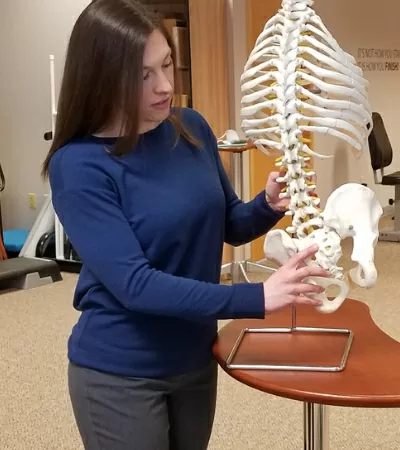
The sacroiliac (SI) joint connects your spine to your pelvis. You have two of them, one on each side. They’re connected to the sacrum, a small triangular bone at the base of your spine.
The SI joints allow you to transfer weight between your upper and lower body. However, the joints themselves don’t move all that much, and they’re located fairly deep in your pelvic structure, surrounded by strong ligaments and muscles.
There are two reasons why your sacroiliac joint might cause your pain:
- Sacroiliac joint dysfunction occurs due to biomechanical issues in your SI joint. It’s particularly common during pregnancy, as the sacroiliac joint is “loosened up” in preparation for childbirth (hypermobility). However, an overly restricted sacroiliac joint can also cause issues (hypomobility).
- Sacroiliitis refers to an SI joint inflammation due to osteoarthritis, hormonal changes during pregnancy, or injury.
How to Tell If Your Pain Is the SI Joint or The Lower Back

It can be difficult to determine if you’re struggling with issues in your SI joint or lower back, as they can cause similar symptoms.
Common Signs of SI Joint Issues
- You experience localized pain directly over your SI joint in the buttocks.
- You notice pain after a fall on the buttocks, awkward step, or during pregnancy/postpartum.
- The pain seems to stem from deep inside your buttocks.
- You’ll notice pain when sitting cross-legged or when you have weight-bearing asymmetry, such as standing on one foot, climbing stairs, or running.
Common Signs of Back Issues Leading to SI Joint Pain
- Pain starts in the lower back and radiates down into the buttocks
- Often gradual or related to lifting, bending, prolonged sitting, or repetitive extension.
- Pain is worse with prolonged sitting or standing.
- Bending or twisting increases symptoms and may affect mobility.
Our recommendation? If you’re struggling with any pain or discomfort in your back or buttocks, your best bet is to schedule an appointment with our physical therapists. We can help you get to the bottom of things and find a solution that works for you.
Treating SI Joint Pain: What To Expect
We’ll begin with a comprehensive physical exam to help us determine the exact source of your pain, including confirming if the SI joint or lower back is involved. Once we understand your unique situation, our experts will develop your customized treatment program. Here’s what you might expect:
- Pain Management: We’ll find a solution that suits your needs. Spinal mobilizations and other manual therapy techniques can help if your pain stems from immobility. Hot and cold therapy can help manage pain and inflammation.
- Mobility Exercises: If applicable, we can guide you through targeted exercises to improve the mobility in your spine and hip joints.
- Strengthening Exercises: One of the best ways to address back and SI pain is to strengthen your core and glute muscles, both of which support and stabilize the entire spinal structure. Our therapists will develop an exercise program appropriate to your needs and ensure you perform all exercises correctly.
- Prevention Tips: Finally, we’ll work with you to help you adopt a physically active lifestyle, which can help reduce and prevent back and SI dysfunction.

What’s Causing Your Back Pain?
You don’t have to put up with persistent pain, whether it’s in your back, buttocks, or radiating down your leg! The physical therapists at Excel Physical Therapy will dig down deep to determine the underlying source of your pain, no matter what it is.
Ready to get started? Call us to schedule an appointment today!
Find Relief Now – Schedule Your Free Consultation!
Ready for personalized care?
Come back to Excel Physical Therapy and book your session today!
Not All Physical Therapy is Created Equal

Why One-on-One Care Speeds Up Your Recovery
At Excel Physical Therapy, we often work with patients who have visited another clinic before coming to see us–without seeing the results they wanted. Many of these patients have spent weeks or months elsewhere with little change!
This difference in results isn’t the patient’s fault. Instead, it’s related to the quality of their care.
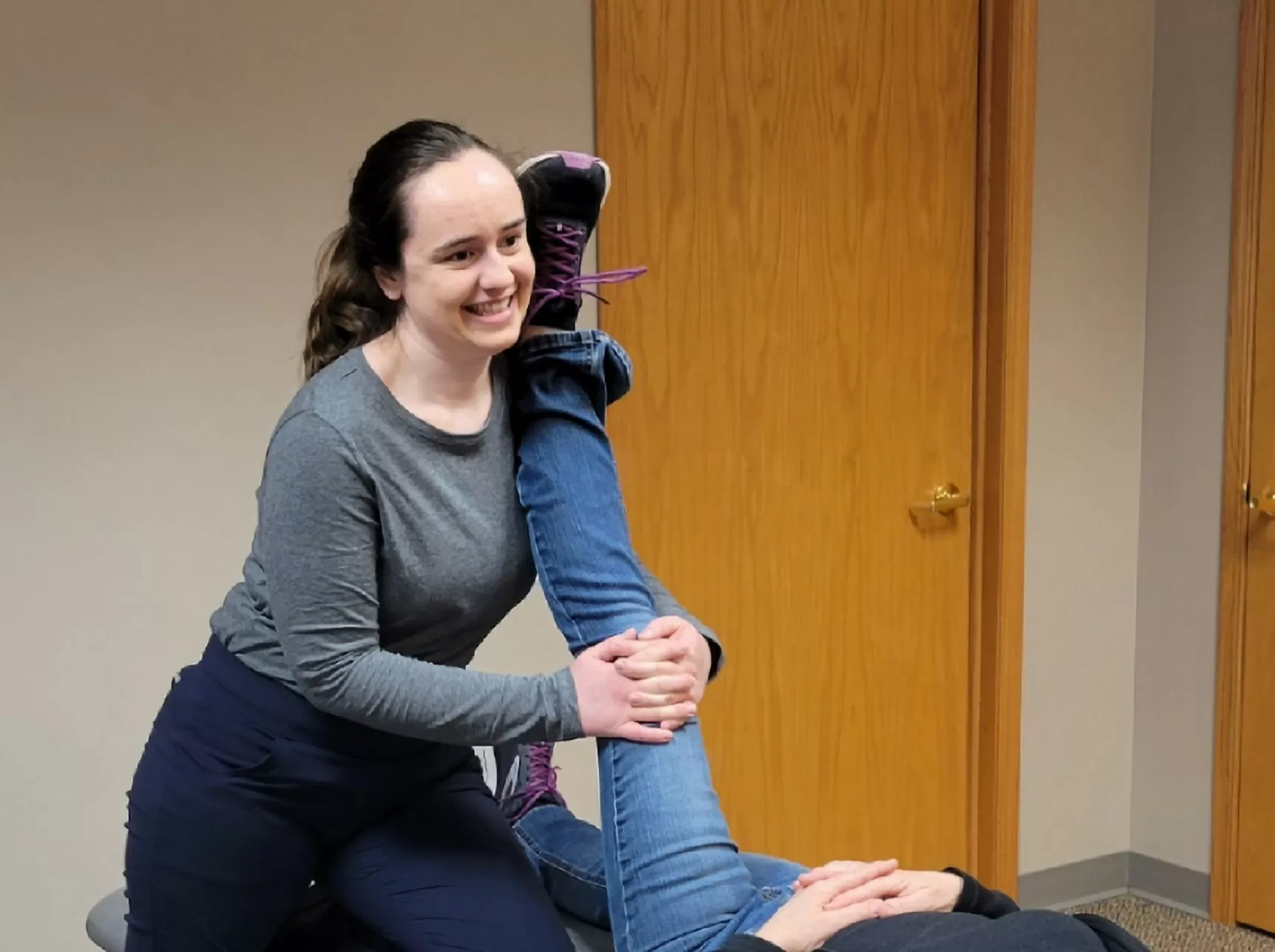
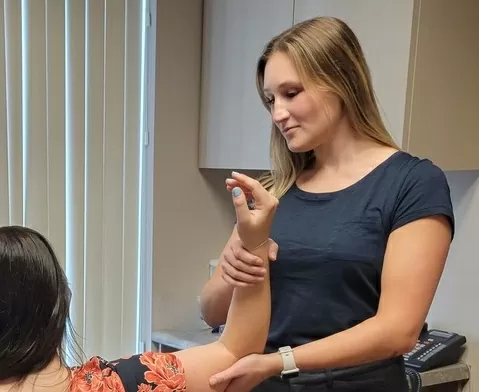
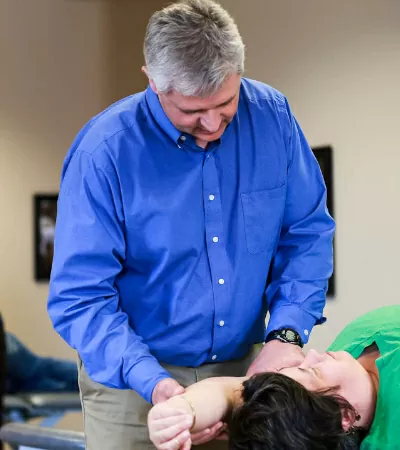
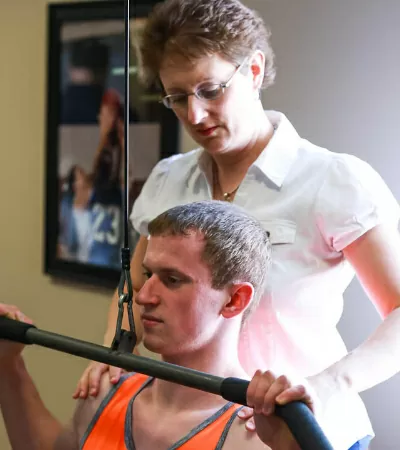
At Excel Physical Therapy, we do things a little differently. Every patient works directly and one-on-one with a licensed physical therapist, which means they receive focused treatments, fewer sessions, and enhanced results.
Benefits of Our Truly Personalized Approach
- Full, undivided attention from your physical therapist during every session
- Consistent guidance without distractions or splitting time between patients
- Adjustments made in real-time based on how your body responds
- Better communication about what’s working (and what’s not)
- More efficient use of your time: fewer sessions, better outcomes
- A clearer understanding of your condition and how to manage it
What To Expect During Your Sessions
- Thorough assessments that find the true source of your pain
- Manual therapy techniques, like joint mobilization and soft tissue release, to help prepare your body for exercises
- Targeted pain relief using advanced methods like dry needling, electrical stimulation, or spinal traction
- Tailored exercises that match your condition, strength, and mobility
- Gait and movement analysis to correct patterns that cause or worsen pain
Discover the Difference of One-on-One Care For Yourself
Are you feeling stuck in your PT treatment? Are you making slow progress? Focused one-on-one care with the Excel Physical Therapy team can make a real difference.
At our clinic, we focus on resolving your pain and discomfort, not just managing it. For that reason, you’ll spend more time doing the work that matters, all of it tailored to your unique needs.
Schedule an appointment today to get started.
Follow Us on Facebook!
Exercise of the Month
STANDING EXTERNAL ROTATION
Start by standing up straight with the arm to be exercised hanging by your side. Bend that elbow to 90 degrees. Anchor an exercise band at about the height of your belly button and hold the free end of the band in the hand of the arm you want to work. Make sure you are standing so that the hand holding the band is farther from the anchor than your other arm. Place a towel between your elbow and your body. Lightly rotate your working forearm away from your body pulling the band and keeping your arm bent. Slowly let the band pull your arm back.
3 Sets, 10 Reps. (Materials needed: resistance band, towel)

Success Story
Mary W.
“Every day I think of how I appreciate having Ryan work with me. I gained a positive attitude and respect for my body with understanding how the muscle system is connected. I learned that simple exercises can help relieve pain. I am now more sure of myself. It feels like a miracle!”

October Word Scramble
dancy
nlhealeow
mkpupin
rwcrcesao
ealevs
dierc
Answer Key
candy
halloween
pumpkin
scarecrow
leaves
cider
Clinic News

Alaska vacation with Serena and her family

Family pic with Stephanie, Mitch, and Carson

Teresa Family Vacation