If you’re experiencing back, shoulder or neck pain, you may have heard about dry needling to get pain relief. If you’ve considered trying dry needling, and now you have questions about the process, we’ve assembled this dry needling FAQ to make it easy to find the answers you need.
What is dry needling?
Dry needling, also known as trigger point dry needling, involves placing a thin needle inside a muscular trigger point or painful area. The technique is referred to as “dry” because nothing is being injected.
The treatment helps reduce the sensitivity of the nerves and tissue and is thought to interfere with pain signal processing in the spinal cord and brain.
What does dry needling treat?
Dry needling is primarily used to treat painful muscles and joints in the neck, back, arms and legs. Specific issues that dry needling can be helpful for include:
- Sciatica
- Back pain
- Plantar fasciitis
- Lateral epicondylitis
- Neck pain
Is dry needling painful?
While the Mayo Clinic refers to dry needling as “minimally discomforting” the more accurate answer is, “it depends.”
The needles used in the process are very thin and many patients don’t feel them being inserted at all. However, because the needles are used to stimulate muscular trigger points, they can cause some discomfort.
After the procedure, muscles or joints being treated can be sore for a day or two, much the way you might be sore after an extensive workout.
What results can you expect from dry needling?
While results vary based on the issues being treated, the most common effects are:
- Pain relief: Releasing previously tight muscles or joints can offer both immediate and long-term pain alleviation.
- Improved range of motion: Freeing up joints and muscles that were previously tight can allow you to move more freely.
- Directed treatment: Unlike some medications and forms for physical therapy, dry needling can be used on highly focused areas of anatomy.
What does dry needling cost?
The cost of dry needling can vary a great deal depending on:
- Whether your insurance covers dry needling.
- The number of treatments needed.
- Which portion or portions of the anatomy need to be treated.
Where can I get dry needling near me?
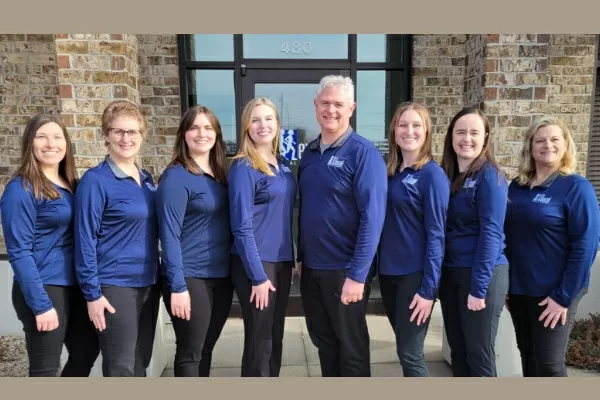
Whether you have more questions not covered in our Dry Needling FAQ or want to give trigger point dry needling a try, Excel Physical Therapy has two experts on staff who are able to meet your dry needling needs: Robert Runge and Stephanie Shoemaker. Contact us today.