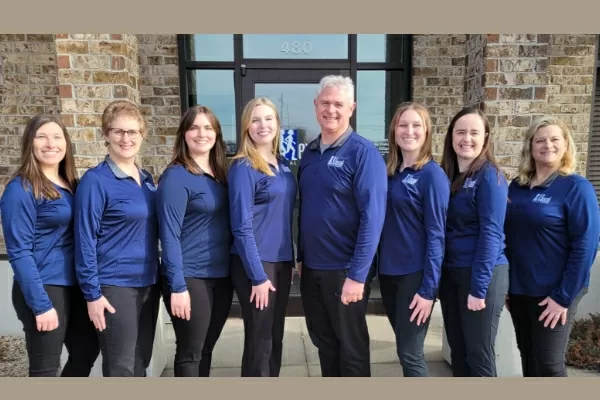
Shoulder pain can turn simple tasks into daily frustrations. Reaching into a cabinet, getting dressed, carrying groceries, or sleeping comfortably may suddenly feel much harder than it should. For many people, non-surgical shoulder relief through physical therapy offers a way to address these limitations while building the strength and movement needed for everyday life.
Every shoulder problem is different. That’s why the team at Excel Physical Therapy looks beyond the location of your pain. They assess how the shoulder moves, how surrounding muscles are working, and which activities are most important to each patient.
The following patient stories (names have been changed) illustrate how personalized physical therapy may support recovery from common shoulder problems.
Three Cases of Shoulder Pain: Three Non-Surgical Approaches
1. Maria Reaches Overhead Again With Targeted Strengthening
Maria had gradually developed shoulder pain that made reaching overhead and lifting objects uncomfortable. She had started avoiding certain movements, including putting items on higher shelves. Her shoulder also felt weaker during household tasks.
At Excel Physical Therapy, Maria’s physical therapist evaluated her shoulder mobility, strength, and movement during the activities that bothered her most. Her treatment plan emphasized progressive therapeutic exercise.
Her program included:
- Gentle exercises to restore comfortable shoulder movement.
- Strengthening the rotator cuff, the group of muscles that helps control and stabilize the shoulder.
- Exercises for the muscles around the shoulder blade.
- Gradual practice with reaching and lifting activities.
Instead of pushing through symptoms, Maria’s exercises were adjusted based on her shoulder’s response. The difficulty increased as her strength and movement improved.
This individualized approach to non-surgical shoulder relief helped Maria become more comfortable using her arm. Over time, she developed better shoulder strength and confidence with reaching, lifting, and other routine tasks.
2. David Finds Non-Surgical Shoulder Relief Through Hands-On Care and Movement
David’s shoulder had become stiff and difficult to move. Reaching behind his back to put on a jacket was especially challenging. He had also noticed that he was using his arm less because many movements felt restricted.
His physical therapist at Excel Physical Therapy focused on restoring useful movement while keeping treatment appropriate for his symptoms. Manual therapy was incorporated alongside active exercise. Treatment included:
- Joint mobilization to support comfortable shoulder mobility.
- Gentle soft tissue techniques for areas of muscle tightness.
- Active mobility exercises to reinforce movement gained during treatment.
- Strengthening as his shoulder became easier to move.
Manual therapy was not used as a stand-alone solution. Instead, hands-on techniques helped support movement while David practiced exercises that allowed him to actively use his improving range of motion.
As treatment progressed, everyday movements became easier. David was better able to reach, dress, and use his arm during daily activities. His program also shifted toward strengthening so he could maintain those improvements through active movement.
3. James Returns to the Activities He Enjoys With Functional Training
James developed shoulder discomfort after repeatedly using his arm during recreational activities. Although he could still move his shoulder, lifting, carrying, and repeated arm motions had become uncomfortable. He worried that returning to his favorite activities would make the problem worse.
His physical therapist took a different approach. Rather than focusing only on where James felt discomfort, the evaluation considered the demands of the activities he wanted to resume.
His plan for non-surgical shoulder relief included:
- Progressive resistance exercises for shoulder and upper-back strength.
- Rotator cuff and shoulder blade muscle training.
- Controlled lifting and carrying exercises.
- Gradual practice of movements related to his recreational activities.
- Education about modifying activity while rebuilding capacity.
The exercises became more challenging as James demonstrated better control and tolerance. This gradual progression helped prepare his shoulder for the demands he actually faced outside the clinic.
Eventually, James felt stronger during lifting and repeated arm movements. He also gained a clearer understanding of how to manage activity and continue strengthening his shoulder.
Personalized Physical Therapy Can Help Your Shoulder Move Forward
Maria, David, and James had different symptoms and goals, so their treatment plans looked different, too. That is an important aspect of our approach at Excel Physical Therapy. Effective shoulder rehabilitation is based on what our evaluation reveals, how your symptoms respond, and what you need to do in daily life.
A personalized non-surgical shoulder relief plan may combine mobility work, manual therapy, progressive strengthening, movement retraining, and education. Treatment can then change as mobility, strength, and function improve.
Your Path to Better Shoulder Movement Starts Here
If shoulder pain is limiting your work, exercise, sleep, or everyday activities, contact Excel Physical Therapy. Our physical therapy team can evaluate what is contributing to your symptoms and create an individualized plan to help you move with greater comfort, strength, and confidence.